
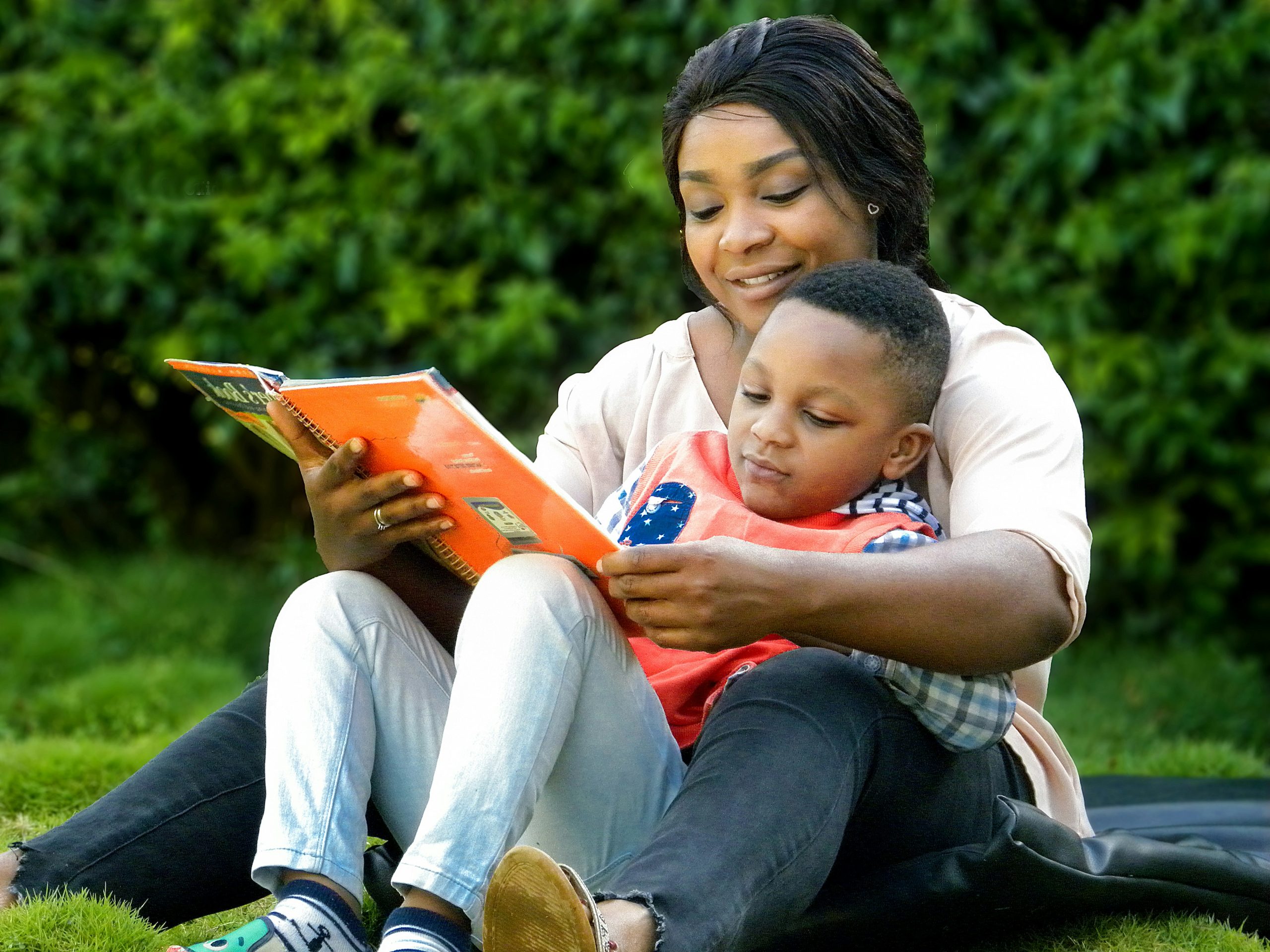
World Read Aloud Day was celebrated on February 4, 2026 — but did you know it’s usually held on the first Wednesday of February? However it falls on the calendar, one thing is certain: here at Kidemia, we believe that reading aloud should be celebrated throughout the year.
So, here are some of the wonderful benefits of making read-aloud part of your everyday routine.
1. It builds a love of stories
When children hear stories read aloud with expression and enthusiasm, they begin to associate reading with joy and excitement. That emotional connection is often what turns a reluctant reader into a lifelong one.
2. It expands vocabulary naturally
Hearing new words in context — rather than memorising them from a list — is one of the most effective ways children absorb language. Read-aloud exposes kids to words they might never encounter in everyday conversation.
3. It improves listening and concentration skills
Following a story from beginning to end requires focus. Over time, regular read-aloud sessions help children build the kind of sustained attention that serves them well in school and beyond.
4. It develops comprehension skills
Understanding a story — its plot, characters, and meaning — is a skill, and read-aloud gives children the chance to practise it before they even have to worry about decoding words on a page.
5. It sparks curiosity and imagination
A good story opens doors to worlds, ideas, and questions children might never have encountered otherwise. Read-aloud naturally invites them to wonder, ask, and explore.
6. It strengthens the bond between the reader and the child
There is something special about sharing a story. Whether it’s a parent at bedtime or a teacher in the classroom, read-aloud creates moments of connection that children carry with them.
7. It models fluent, expressive reading
Children learn by watching and listening. When they hear reading done well — with rhythm, pacing, and emotion — they internalise what good reading looks and sounds like, making it easier when they read on their own.
8. It supports emotional development
Stories introduce children to a wide range of emotions and situations in a safe environment. Through characters, children learn empathy, how to name their feelings, and how to navigate the world around them.
9. It makes difficult topics easier to approach
Books have a unique way of opening conversations about things that might otherwise be hard to talk about — grief, change, fairness, friendship. Read-aloud creates a natural, low-pressure space for those discussions.
10. It levels the playing field
Read-aloud gives every child access to rich, complex stories regardless of their individual reading level. A child who struggles with reading independently can still engage fully with an ambitious, age-appropriate book when it’s read to them.
11. It introduces children to different cultures and perspectives
Through books, children can experience lives, traditions, and worldviews very different from their own — building open-mindedness and a broader understanding of the world from an early age.
12. It lays the foundation for literacy
For younger children, especially, hearing the rhythm of sentences, the sound of words, and the structure of stories is foundational. Read-aloud is one of the earliest and most powerful literacy tools available.
Reading aloud is one of the simplest, most powerful things we can do for the children in our lives, and the good news is, it doesn’t require anything fancy. Just a book, a voice, and a little time.
At Kidemia, we’re on a mission to make that as easy and enjoyable as possible, every single day. So go ahead, pick up a book and start reading. Your child will thank you for it.